
For Graduate Students, Postdoctoral Researchers, and Academic Professionals
By Scholarscape Editorial Team | © 2025 Scholarscape.org
This guide provides a comprehensive framework for crafting academic resumes tailored to scholarships, research positions, and faculty roles. Grounded in best practices from academic hiring committees and career services, it emphasizes clarity, relevance, and strategic presentation of scholarly achievements. By following this guide, you will learn to:
✓ Structure an academic resume that highlights research, teaching, and publication records effectively
✓ Align your qualifications with the requirements of grants, fellowships, and faculty postings
✓ Avoid common pitfalls that weaken academic applicants’ competitiveness
The Role of an Academic CV / Resume
- An academic resume is a targeted summary of your scholarly contributions, technical proficiencies, and professional trajectory. Unlike curricula vitae (CVs), which comprehensively list all achievements, resumes prioritize relevance to the specific opportunity. For instance, a resume for a neuroscience research position should emphasize lab techniques, publications, and grants in that field, while omitting tangential coursework or service roles.
- The average academic search committee spends 4–6 minutes reviewing initial application materials and just about 6-7 seconds , yes you heard it right. Just few seconds to skim through your CV / Resume.
- Overloading your resume with unrelated details risks obscuring key qualifications. Instead, focus on creating a narrative that demonstrates your capacity to excel in the target role through concrete examples of research impact, teaching innovation, or collaborative projects.
Common mistakes and Good CV / Resume Practices
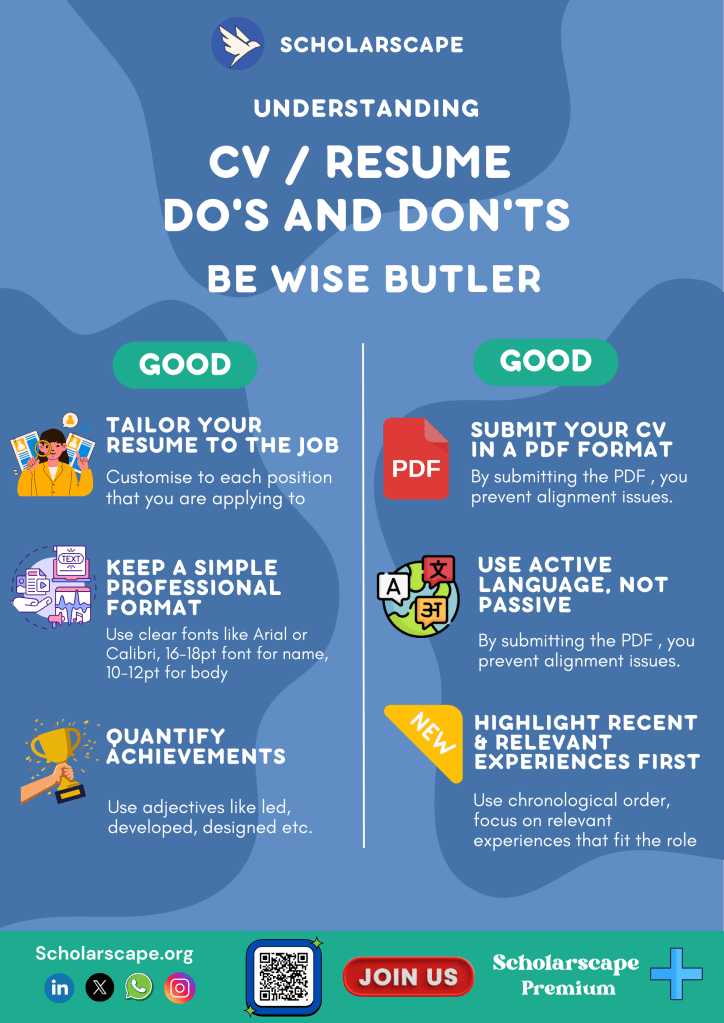
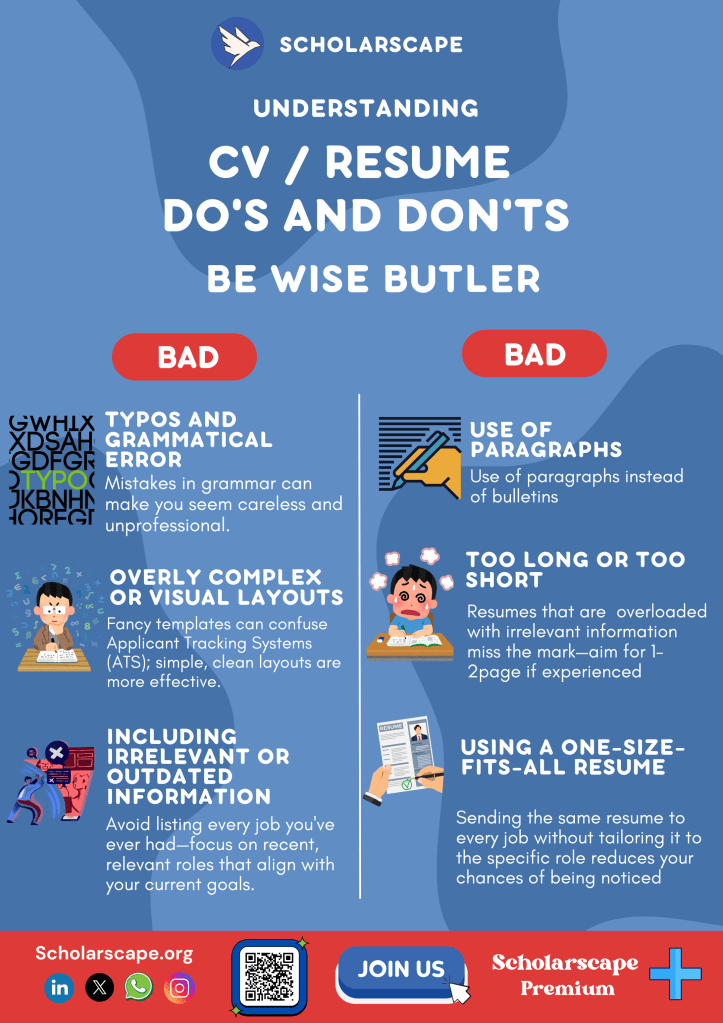
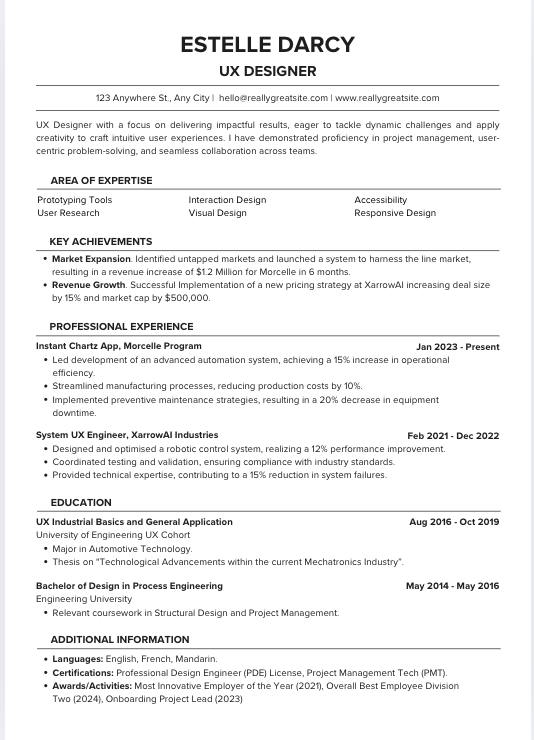
Download our ATS friendly CV template along with the Rubric
The CV Rubric

A CV rubric usually covers stuff like:
- How your CV looks: Is it neat, easy to read, and well-organized?
- What’s in it: Did you include the right details—like your skills, experience, and education?
- Job fit: Does it feel tailored to the role you’re applying for?
- Overall vibe: Does it show off what makes you special in a clear way?
Each of these gets a score or a level—like “excellent,” “good,” or “needs work”—so the person reviewing it has a system to follow.
Next time you’re tweaking your CV, picture that rubric as your guide. It’s there to help you shine—and with a little effort, you can totally ace it!
Subscribe
Enter your email below to receive the template.
 Scholarscape